
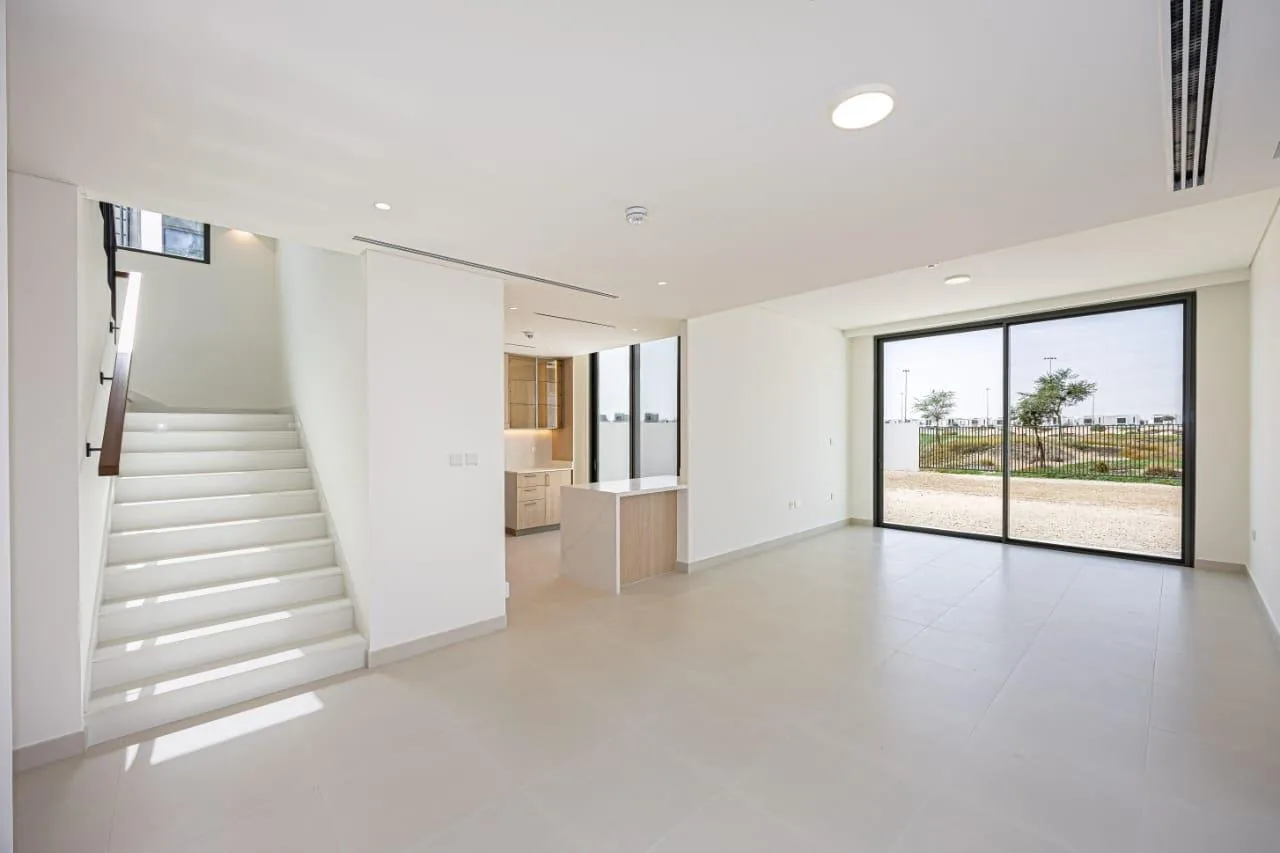
Handover is the moment your off-plan purchase finally becomes a home, or an investment you can rent out. It is also the last point where you have real leverage with the developer. Anything you don't spot and report before or shortly after you take the keys becomes harder to get fixed.
This guide walks through the off-plan handover process in Dubai step by step, what you will pay, and how to run a proper snagging inspection so defects are fixed at the developer's cost, not yours.
What Happens at Handover?
When construction is finished and the authorities have issued the building completion certificate, the developer sends buyers a handover notice (sometimes called a completion notice). It confirms the project is ready, lists what you still owe and explains how to book your handover appointment.
Over the following weeks you will:
- pay the final instalment and any other amounts due
- inspect the unit and report defects (snagging)
- set up utilities and building access
- sign the handover documents and collect the keys
- receive your title deed, which replaces the Oqood interim registration
If you bought with a post-handover payment plan, you still take the keys at this point. You simply keep paying the developer after you move in, under the terms of your SPA.
Step by Step: The Handover Process
- 1. Read the handover notice carefully. Check the amounts listed against your own payment records and your SPA. Query anything you don't recognise before you pay.
- 2. Make the final payment. The final instalment is paid into the project's escrow account. If you are using a mortgage, your bank releases the funds once it has completed its own valuation and paperwork, so start this early.
- 3. Clear the other charges. Developers commonly ask for service charges in advance, plus fees for the title deed and other admin. These are set out in the handover pack.
- 4. Book a snagging inspection. Inspect the unit before you sign that you accept it. More on this below.
- 5. Register utilities. Open your DEWA account (a refundable security deposit applies), and register with the district cooling provider if the building uses one. You will also need move-in permits from the building management.
- 6. Sign the handover documents and collect the keys. You receive keys, access cards, warranties for appliances and any parking allocation.
- 7. Receive your title deed. Once the developer confirms the property is fully paid (or registers a mortgage in the bank's favour), the Dubai Land Department issues the title deed in your name.
What It Costs at Handover
| Cost | Who pays | Notes |
|---|---|---|
| Final instalment | Buyer | Paid to the project escrow account |
| Service charges in advance | Buyer | Often the first year or a part year, set per square foot |
| Title deed issuance fee | Buyer | A fixed DLD fee, sometimes collected by the developer |
| DEWA security deposit | Buyer | Refundable when you close the account |
| District cooling connection | Buyer | Only in buildings with a central chiller provider |
| Snagging inspection | Buyer | Optional, priced by property size |
Ask the developer for a full breakdown in writing before handover day, so there are no surprises.
What Is Snagging?
A snag is any defect, fault or unfinished item in a new property: a cracked tile, a door that doesn't close properly, a leak under the sink, a socket that doesn't work. Snagging is the process of finding these items, listing them and getting the developer to fix them.
Even good developers hand over units with snags. Large projects are finished by many contractors working to a deadline, and small issues slip through. That is normal. What matters is that you find them and report them in writing.
Your Snagging Checklist
Walk through every room slowly, in daylight, with the power and water on. Check:
- Walls and ceilings: cracks, uneven paint, damp patches, stains
- Floors: chipped, cracked or hollow-sounding tiles, uneven grouting, scratched wood
- Doors and windows: do they open, close and lock smoothly? Are seals intact and is the glass free of scratches?
- Plumbing: run every tap and shower, flush every toilet, check water pressure, look for leaks under sinks and around drains
- Electrics: test every socket, switch and light, and check the distribution board is labelled
- Air conditioning: run each unit and check that it cools, drains properly and isn't noisy
- Kitchen: cabinet doors and drawers, worktop joints, and appliances if they are included
- Bathrooms: silicone sealing, the slope towards the drains, extractor fans
- Balcony and outdoor areas: drainage, railings, tiles, and (for villas) the garden, boundary walls and roof
- Common areas: your parking bay, storage unit and the access cards for lifts and amenities
Photograph every issue, note where it is, and add it to one numbered list.
Should You Hire a Professional Snagging Company?
You can snag the property yourself, but a professional inspection is worth considering, especially for villas or if you live abroad. Snagging companies use thermal cameras, moisture meters and electrical testers to find problems you can't see, such as hidden leaks or poor insulation. They then give you a detailed report, with photos, that you can send straight to the developer.
If you are overseas, your agent or a representative with a Power of Attorney can attend the inspection and the handover on your behalf.
Getting Snags Fixed
Send your snag list to the developer in writing and keep a copy. The developer's customer care team will schedule repairs, and you should re-inspect once they say the work is done. Only sign off items that are actually fixed.
Defects don't stop mattering once you have the keys. Under Dubai's jointly owned property law, developers are generally responsible for structural defects for 10 years and for fixtures and installations for one year from completion. Report anything new as soon as it appears, in writing, within those periods. Check your SPA for the developer's own defects liability terms.
Common Handover Mistakes
- Signing before inspecting. Some buyers sign the acceptance form on the day and find problems later. Inspect first.
- Leaving the mortgage to the last minute. Banks need time for valuation and approval, and delays can bring late payment penalties.
- Not checking the final area. The SPA usually allows for small differences between the planned and built size. If the difference is beyond the allowed margin, the price may need to be adjusted. Compare the measured area against your SPA.
- Forgetting about rental readiness. If you plan to rent the property out, get snags fixed before tenants move in. Repairs are much harder to arrange once someone is living there.
If you plan to rent the property out after handover, our guide to renting out property in Dubai covers Ejari, rent rules and yields. If you would rather sell before the keys arrive, read about selling off-plan property before handover. And for how your money is protected until completion, see Dubai's off-plan buyer protections.
Need Help With Your Handover?
EasyAcres can review your handover notice, coordinate a snagging inspection, attend handover on your behalf if you are abroad, and help you find a tenant or buyer once the keys are yours. Browse current off-plan projects or contact us to talk it through.
Handover procedures, fees and defect liability terms vary by developer and project and can change. This guide is general information, not legal or financial advice. Always check your SPA and confirm current fees with your developer and the Dubai Land Department.