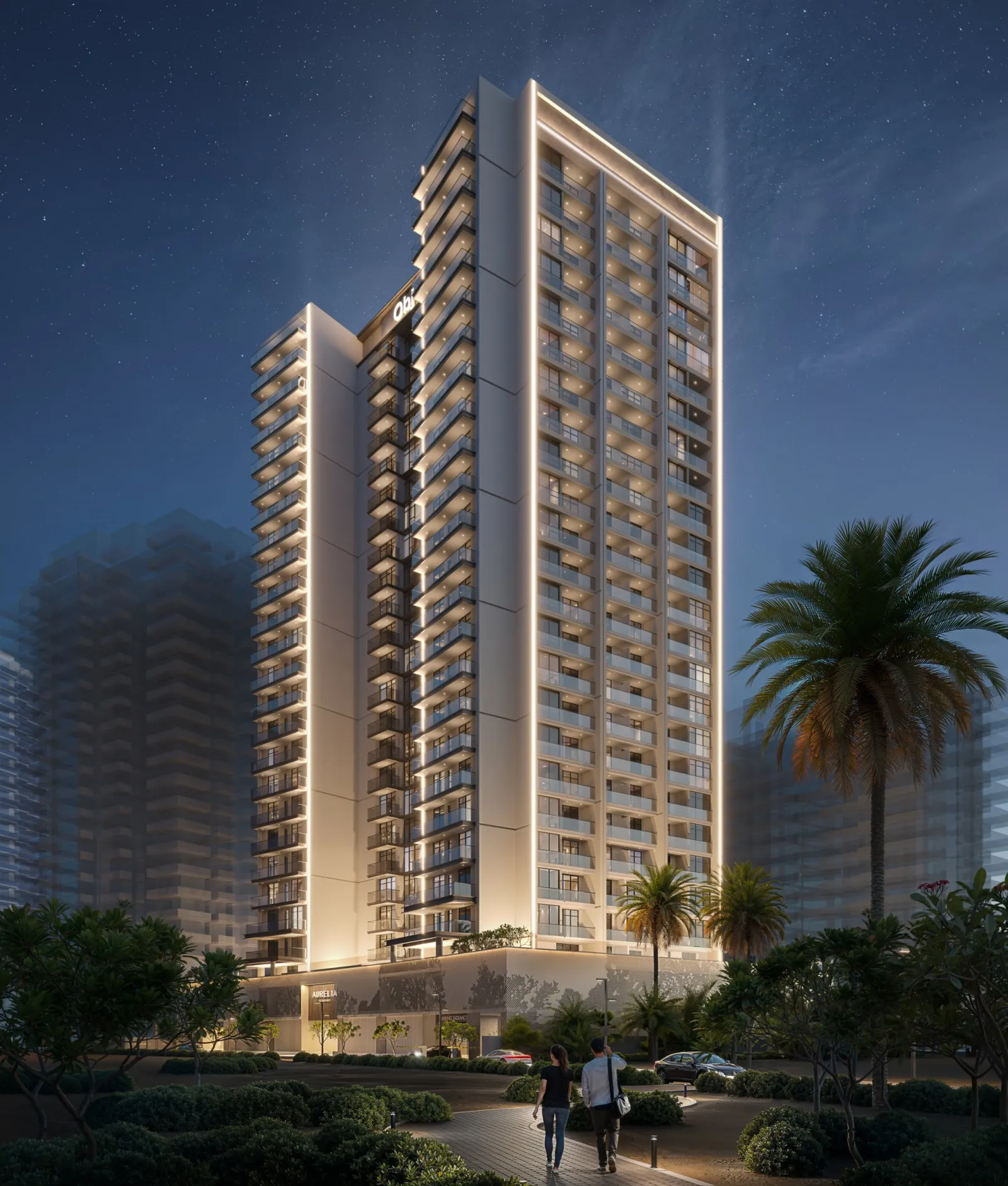
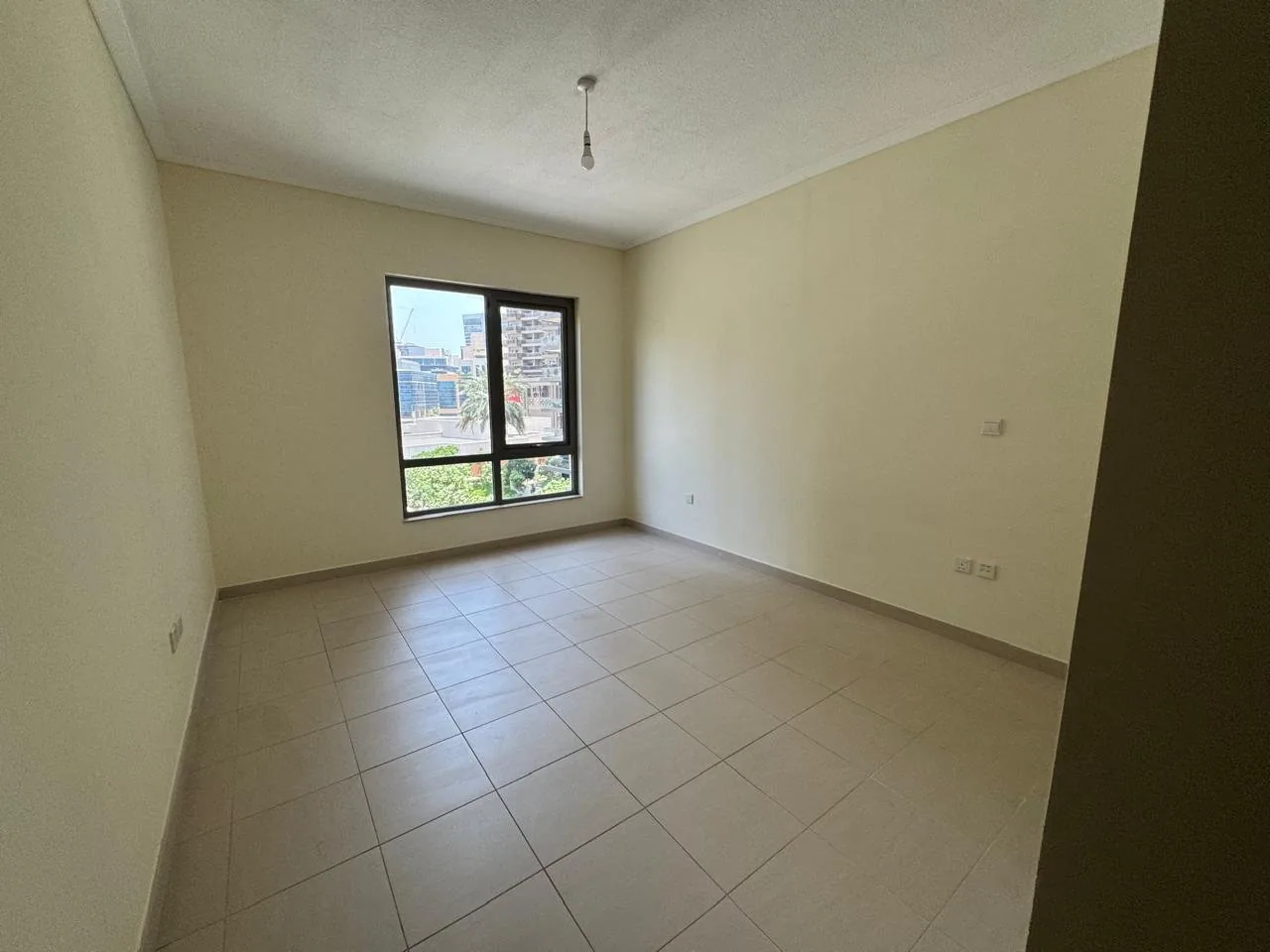
Renting out a property is how most Dubai investors earn a return between buying and selling. The rules are clear and landlord-friendly in many ways, but they are also strict: tenancy contracts must be registered, rent increases are capped, and ending a tenancy follows a set process.
This guide explains what you need to know before you rent out your property in Dubai, from preparing the unit and registering Ejari to rent increases, costs and realistic yields.
Before You List: Get the Basics Right
Before you advertise, make sure you have:
- Your title deed (or Oqood for a recently handed-over unit) in your name
- A copy of your Emirates ID or passport, and a Power of Attorney if someone else will sign on your behalf
- Building management approvals, such as move-in permits for the tenant
- Service charges paid up to date. Unpaid charges can block access cards or move-in permits.
- Any snags fixed. If the unit is newly handed over, deal with defects first (see our handover and snagging checklist).
Decide whether you will let the property unfurnished, furnished, or as a short-term holiday home. Each brings in a different kind of tenant and income.
Long-Term Rental: How It Works
Most Dubai rentals are annual contracts. The typical process is:
- 1. Set the rent. Check the DLD rental index and recent comparable leases in your building or community. Pricing above the market usually just means a longer void.
- 2. Appoint an agent and list the property. A RERA-registered agent needs a listing agreement and an advertising permit before marketing the unit.
- 3. Agree terms with the tenant. These cover the rent, the number of cheques, the security deposit and who handles maintenance.
- 4. Sign the tenancy contract. Dubai uses a standard unified tenancy contract. Additional terms can be added as an addendum.
- 5. Register the contract with Ejari. Registration is mandatory. The tenant needs Ejari to connect DEWA, sponsor family visas and access some government services.
- 6. Hand over the keys. Do a move-in inspection with photos, signed by both sides. It protects your deposit claim later.
Security deposits are commonly around 5% of the annual rent for unfurnished homes and 10% for furnished ones. Payment is traditionally by post-dated cheques, often 1 to 4 per year. Fewer cheques usually mean the tenant expects a lower rent.
Rent Increases: The Rules
You can't raise the rent whenever you like. Increases are only allowed at renewal, and only if the current rent is below the market average for similar properties, as shown by the DLD's rental index. The maximum increase depends on how far below the average you are:
| Current rent vs. market average | Maximum increase |
|---|---|
| Up to 10% below | No increase |
| 11–20% below | 5% |
| 21–30% below | 10% |
| 31–40% below | 15% |
| More than 40% below | 20% |
You must give the tenant at least 90 days' written notice before the contract expires if you want to change any terms, including the rent. Miss this window and the contract usually renews on the same terms.
Ending a Tenancy
A tenancy doesn't simply end because the landlord wants it to. At the end of the contract, a landlord can ask a tenant to leave for specific reasons. The most common are selling the property, moving in yourself or a first-degree relative, or major renovation or demolition. For these you must give 12 months' written notice, sent through a notary public or by registered mail.
Selling a tenanted property doesn't end the lease. The tenancy usually transfers to the new owner. If you want to sell with vacant possession, plan the notice period around your sale.
Disputes over rent, deposits or eviction go to the Rental Disputes Centre (RDC) at the Dubai Land Department.
Short-Term Holiday Home Rentals
Renting by the night or week can earn more than an annual lease in tourist areas such as Dubai Marina, Downtown and Palm Jumeirah. It also takes more work. You need a holiday home permit from Dubai's Department of Economy and Tourism, your building must allow short-term letting, and the unit must be furnished and meet set standards. You (or a licensed operator) also handle cleaning, guest check-in and a tourism fee per night.
Income is less predictable and costs are higher, so compare net figures, not headline nightly rates, before choosing this route.
What It Costs to Be a Landlord
| Cost | Who usually pays | Notes |
|---|---|---|
| Service charges | Landlord | Set per square foot by the building's owners association |
| Leasing agent commission | Usually the tenant | Commonly 5% of annual rent, negotiable |
| Ejari registration | Agreed between parties | A small fixed fee |
| Major maintenance | Landlord | Minor upkeep is often agreed with the tenant |
| Property management | Landlord | Optional, a percentage of the rent |
| DEWA and cooling bills | Tenant | Includes the municipality housing fee |
| Landlord insurance | Landlord | Optional but recommended |
Individuals currently pay no income tax on rental income in the UAE. If you own through a company, or you are tax-resident in another country, the income may be taxed elsewhere, so check with a tax adviser.
A Worked Example: Gross vs. Net Yield
Say you own a one-bedroom apartment worth AED 1,500,000 and rent it for AED 110,000 a year.
- Gross yield: 110,000 ÷ 1,500,000 = 7.3%
- Less service charges of around AED 18,000
- Less maintenance and insurance of around AED 4,000
- Less one month's void between tenants, around AED 9,000
That leaves about AED 79,000, a net yield of roughly 5.3%. Service charges vary widely by building, so always use the actual figures for your unit.
Common Landlord Mistakes
- Skipping Ejari. An unregistered contract is hard to enforce and causes problems for the tenant.
- Missing the 90-day notice. If you don't give notice in time, you lose the chance to change terms for another year.
- Not documenting condition. Without move-in photos, deposit disputes are hard to win.
- Ignoring service charge increases. They come straight out of your net yield.
- Overpricing. A unit left empty for two months can wipe out the gain from asking a higher rent.
To compare areas by rental demand, see our guides to the best areas to buy in Dubai and Business Bay. For the full upfront cost of buying, read how much it costs to buy property in Dubai.
Want Help Renting Out Your Property?
EasyAcres can price your unit against current leases, find and vet tenants, handle the contract and Ejari, and look after renewals. Learn more about our rental services or contact us for a free rental valuation.
Rental laws, fees and index rules can change, and individual cases vary. This guide is general information, not legal, tax or financial advice. Always check current rules with the Dubai Land Department and RERA.